What they do
What a trichologist does
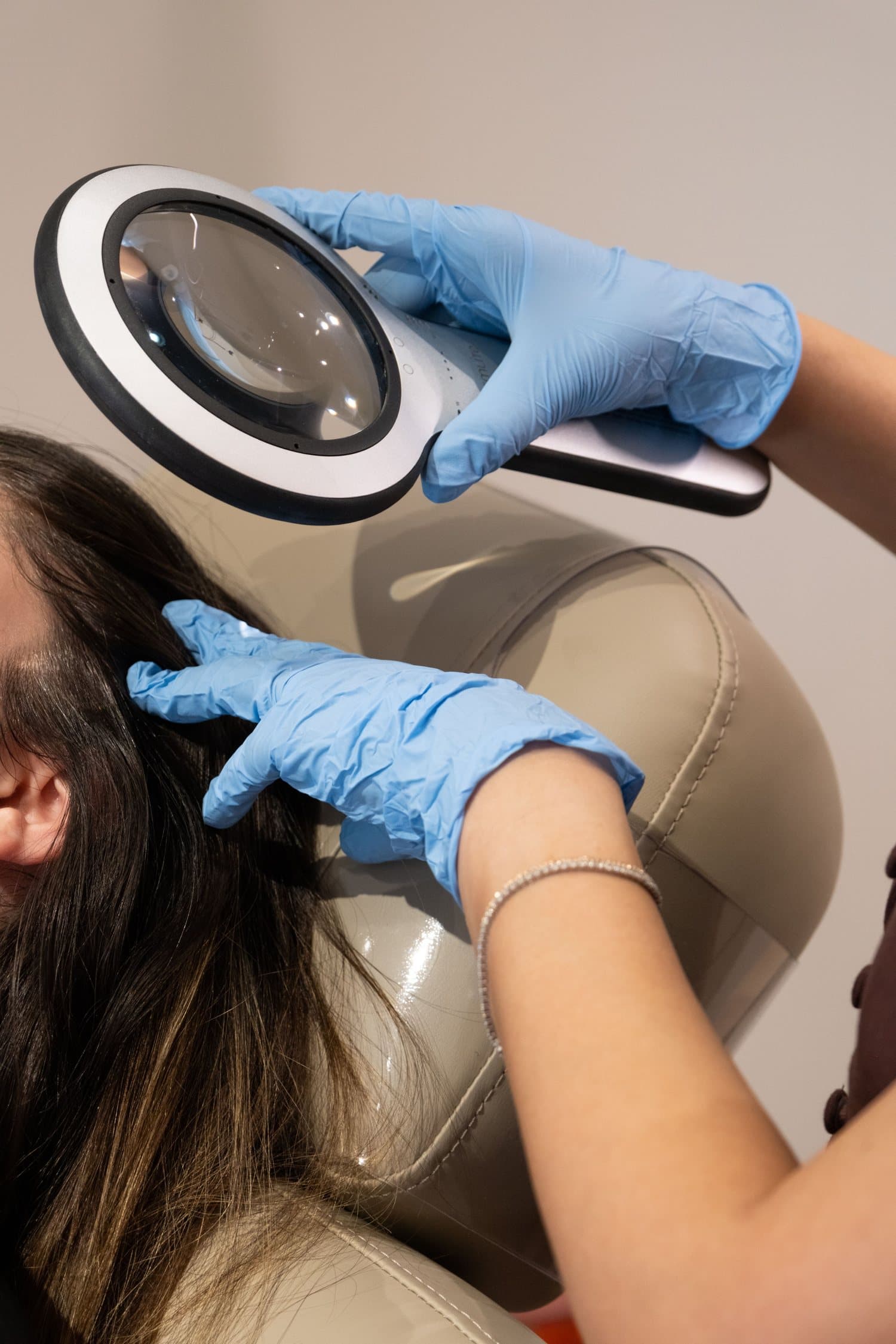
A trichologist is a specialist in hair and scalp problems. They will sit with you and take a detailed history of what's happened to your hair and your health, look closely at your scalp, often with a magnifying camera, and give you an opinion on what's causing the loss and what to do about it.
Trichologists are particularly strong on the parts of hair loss that don't start with a prescription:
- If your hair is breaking rather than falling out, if tight styles or extensions have been pulling at your hairline
- If you've got a stubborn scalp condition
- If you're shedding and want to understand why it's happening and when it should stop
A trichologist can recommend over-the-counter products and changes to how you treat your hair, and will tell you when something needs a doctor or a prescriber. Some trichology clinics also work with a prescriber for cases that need medication.
What a trichologist can't do
A trichologist is not a doctor and not a pharmacist prescriber:
- They can't prescribe. The most effective treatments that work for pattern hair loss are prescription-only medicines. A trichologist can diagnose it, which is the important first step, and will point you to a clinician for treatment.
- They can't order NHS blood tests. Many can arrange private blood tests, or will tell you which ones to ask your Norwich GP for.
- They can't refer you to an NHS dermatologist. If you've got the kind of hair loss that needs a specialist, the referral has to come from your GP, though a trichologist's letter recommending one often helps.
People often look for a Norwich trichologist so they can confirm the problem. It can be difficult to tell the difference between shedding and hair thinning, so the first step of knowing what you have is an important one.
What to expect
What a trichologist appointment is like
Your first appointment is usually 45 minutes to an hour. Expect a detailed conversation about your hair, your health, your family, your diet, your periods if you have them, your medicines and what's been going on in your life. Then a close look at your scalp, often through a camera that shows your follicles on a screen, and sometimes a gentle tug on a few hairs to see how easily they come out. At the end, you should receive an opinion on what's happening and a set of recommendations.
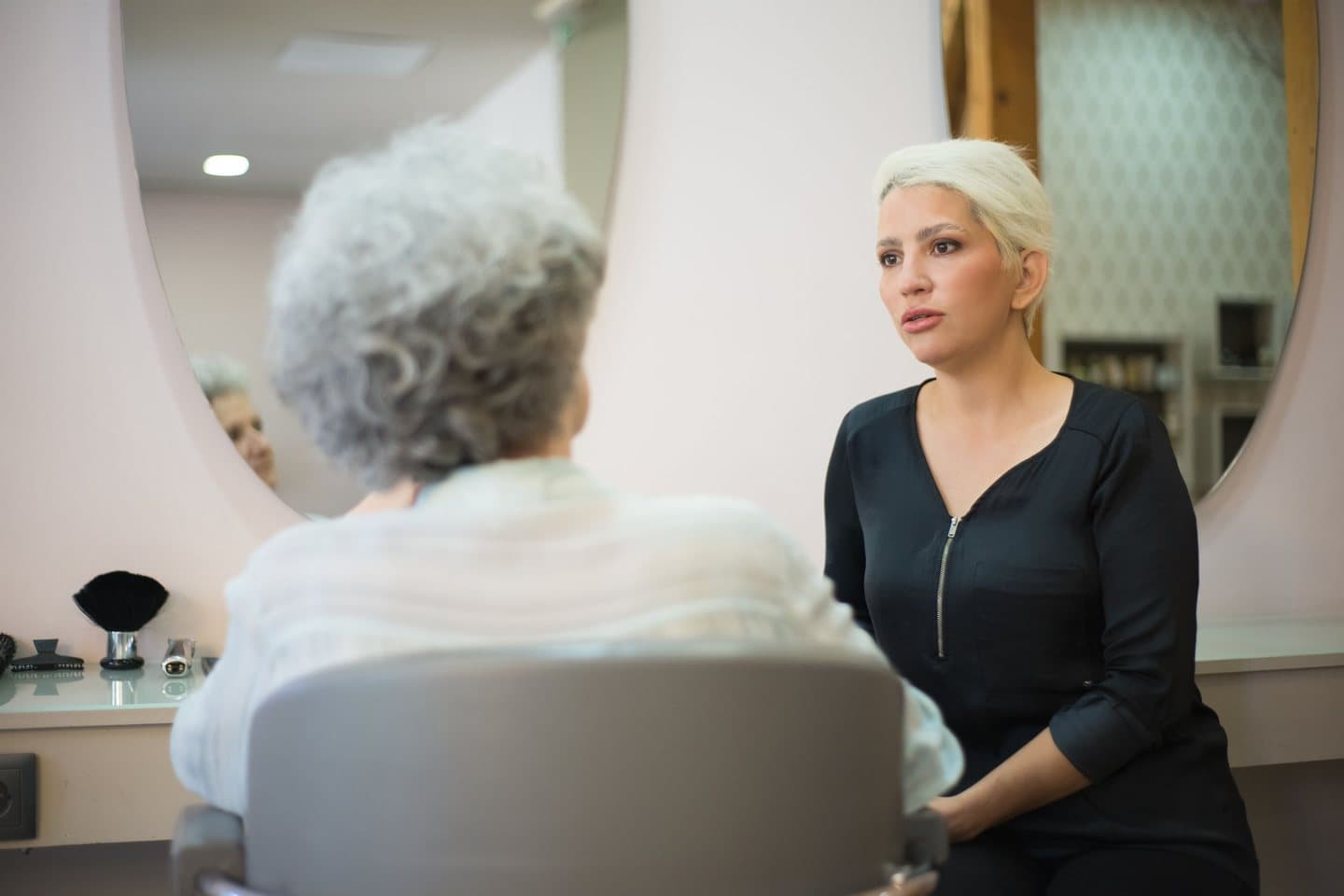
The first consultation with a private trichologist in Norwich usually costs somewhere between £100 and £150. Follow-up appointments are usually charged separately.
Trichologist isn't a protected title
This surprises people. Words like "physiotherapist", "pharmacist" and "dietitian" are protected by law - you can't use them unless you're registered and qualified. "Trichologist" isn't. Some trichologists have trained for years through the Institute of Trichologists and have decades of experience. Training and experience vary, so it's worth choosing a registered trichologist. Look for AIT, RIT or FIT after their name, which shows membership of the Institute of Trichologists, and check them on the Institute's register.
Who can help
Who does what in hair loss
Four kinds of people can help with hair loss. Knowing what each one can and can't do saves a lot of time.
Trichologist
A trichologist helps with diagnosis, examination and advice. They're the right person for breakage, traction, scalp conditions and a thorough in-person examination. For prescription treatment or an NHS referral, you'll need a prescriber or your GP.
GP
They can order blood tests and refer you to an NHS dermatologist. Appointments are short, so it helps to go in knowing what to ask (see the list of questions below).
Pharmacist prescriber
A pharmacist with extra training and registration can prescribe. They can identify common hair loss from a structured consultation, prescribe hair loss treatments where it's appropriate, and decline where it isn't. This is who reviews you if our assessment sends you for a consultation with our pharmacy partner.
Consultant dermatologist
A dermatologist is needed for scarring, patchy, inflamed or complicated hair loss, and for anything that doesn't fit the usual patterns. They can be reached through your GP on the NHS, or privately.
How can you tell what's wrong without looking at my head?
It's a fair question to ask any online clinic, so here's the answer. For the two most common causes of hair loss, a detailed history does most of the work:
- Pattern hair loss is identified from where the hair is thinning, how slowly it's happened, whether the hairline has moved, and who else in your family has it. A trichologist's scalp camera (trichoscope) confirms the pattern and helps rule out other causes.
- Shedding is identified from the timeline - what happened in the two to four months before it started. No examination can tell you whether your iron stores or thyroid are the problem. Only a blood test can.
Where looking really matters is for the less common causes - bald patches, scarring, a sore or inflamed scalp, hairs snapping off, a hairline receding while eyebrows thin, or a pattern that doesn't fit anything usual. Our assessment is designed to spot these cases from your answers, and when it does, it sends you to someone who will physically look, with a list of questions for what to ask and tell them.
Choosing the right person
When you need a trichologist
You would benefit from seeing a Norwich trichologist if:
- Your hair is breaking rather than falling out, and you want help working out what in your routine is causing it and how to fix it.
- You've worn tight styles, braids, weaves or extensions for years and your hairline has crept back, and you want a proper plan for protecting it while you change how you wear your hair.
- You want someone to physically examine your scalp.
- You've got a scalp condition (itching, flaking, soreness) that over-the-counter products haven't helped treat.
- You've already had a diagnosis and want a second opinion.
When you need a prescriber
If your parting is slowly getting wider, that's typically female pattern hair loss. If your temples and crown have been thinning over a year or more, that's typically male pattern baldness. The most effective hair loss treatments are prescription-only, and the earlier they're started the more hair there is to keep. A trichologist can confirm the diagnosis. You'll need a clinician who can check if the treatment is right for you and prescribe it if needed.
Take this list to your trichologist (or your GP)
If you decide to see someone in person, whoever it is, these are the questions worth asking:
- Which type of hair loss do you think this is, and how confident are you?
- Do I need any blood tests, and if so, which ones and why?
- Would minoxidil (or, for men, finasteride) be appropriate for me, and if so, who can prescribe it?
- Is there anything about my scalp or my pattern of loss that needs a dermatologist?
- If I follow your advice, what should I expect to see, and by when?
Trichologist in Norwich FAQs
A specialist in hair and scalp problems who diagnoses the cause of hair loss through a detailed history and examination and advises on what to do. Trichologists aren't doctors and can't prescribe medicines or order NHS tests. The title isn't legally protected, so check for Institute of Trichologists membership (AIT, RIT or FIT). A ‘hair loss specialist’ is not a certified trichologist.
No. Oral minoxidil and finasteride are prescription-only medicines, so they can only be prescribed by a doctor or a pharmacist or nurse with prescribing registration. Oral minoxidil is licensed for blood pressure and prescribed off-label for hair loss, which is one reason it needs a clinician's assessment. A trichologist can recommend you see one. Topical minoxidil is available from pharmacies without a prescription.
A first private consultation usually costs somewhere between £100 and £150, with follow-ups charged separately. Your GP is free, and our hair loss assessment is free.
See your GP, who can refer you to an NHS dermatologist, if you have bald patches, a sore, scaly or scarred scalp, a receding hairline with thinning eyebrows, or hair loss that doesn't fit the usual patterns.
See a trichologist for breakage, traction, scalp conditions and a thorough in-person conversation. For pattern hair loss or shedding, our online assessment is a quick first step to finding the cause.
No. We're an online hair loss clinic. Our assessment identifies the likely cause of your hair loss and routes you to the right next step, and anyone offered treatment is reviewed by a prescribing clinician at our GPhC-registered pharmacy partner, The Independent Pharmacy.
About the author
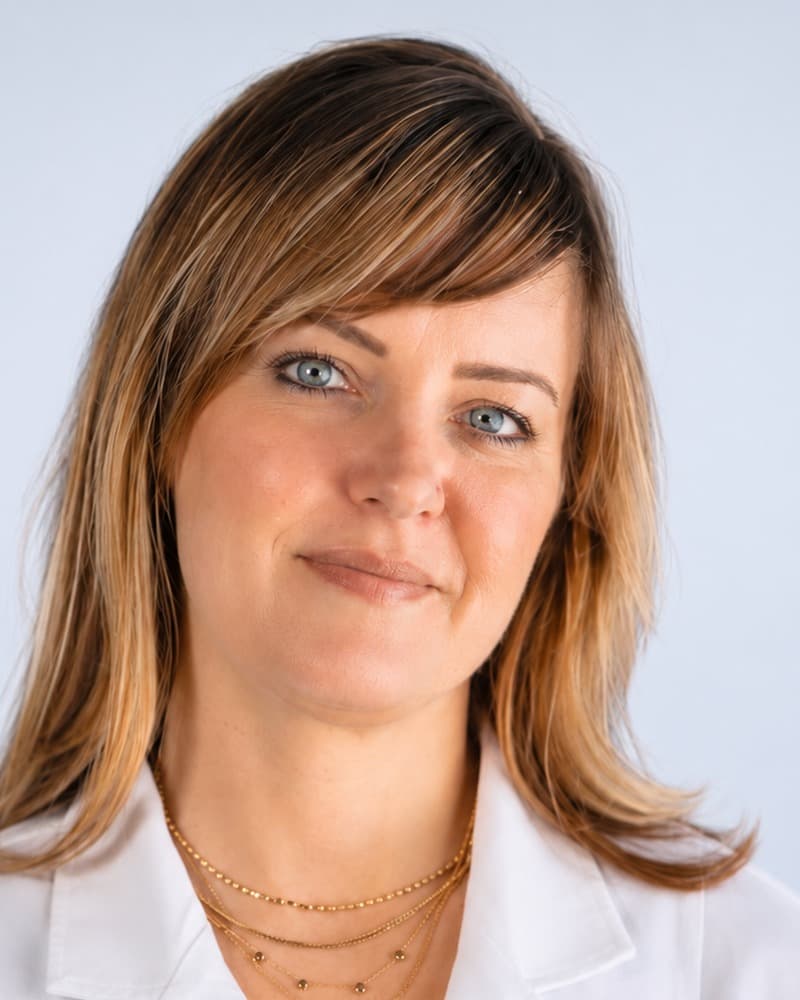
Kate Holohan
RIT · Cert Ed · Registered Trichologist
Kate Holohan is a registered trichologist and the founder of Hair Therapy UK, an award-winning trichology clinic in Kings Hill, Kent. She has worked with hair and scalps for more than 30 years, first in hairdressing and education. She then trained in trichology with the Institute of Trichologists.
Kate diagnoses and treats hair loss and scalp conditions in adults and children. Her work covers female pattern thinning, shedding, alopecia, hair loss linked to hormones, menopause, thyroid and medication, and scalp conditions such as psoriasis and seborrhoeic dermatitis. She also supports people with medical hair loss from cancer treatment and surgery. She hosts the Hair Therapy podcast, which has more than 200 episodes on hair health and real patient stories. Kate has spoken at the World Trichology Conference.
Her approach starts with a careful consultation to understand what is driving the hair loss before recommending a plan. She works with a wide referral network that includes dermatologists, prescribers and blood-testing services, so people get to the right specialist.
- Professional registration
- RIT (Institute of Trichologists, Registrant)
Medically reviewed
This page was last medically reviewed by Kate Holohan on .

Kate Holohan
RIT · Cert Ed · Registered Trichologist
Norwich Hair Loss Clinic is committed to providing clear, accurate and evidence-based information about hair loss, hair thinning, scalp conditions and their treatment.
Our content is reviewed at least every 12 months to reflect current UK clinical guidance. All treatment pathways described on this website are subject to individual clinical assessment and review.
Read our editorial policy to see how our content is written, reviewed and kept up to date.
